Whole-Home Rewiring in Montgomery County
If your home was built before 1985, there is a significant chance your wiring is outdated, potentially unsafe, and unable to handle modern electrical demands. Homes built in the 1940s-1960s may still have knob-and-tube wiring — an ungrounded system that is a fire hazard and typically uninsurable.
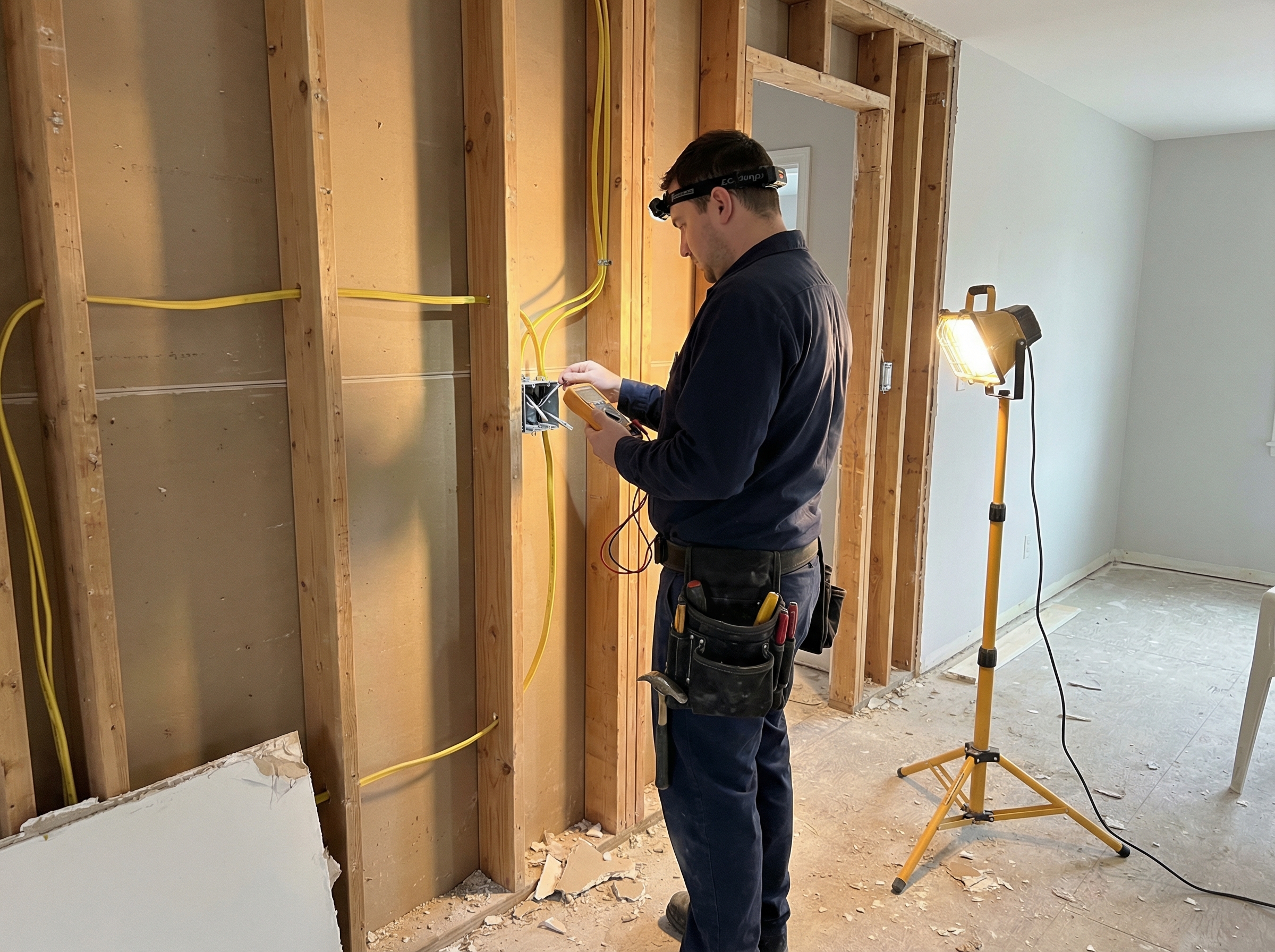
Homes from the 1960s-1970s may have aluminum branch wiring, which expands and contracts differently than copper, causing loose connections that overheat and arc. Even homes from the 1980s may have undersized copper wiring or insufficient circuits for today's electrical loads.
Volt Electrical provides comprehensive whole-home rewiring services throughout Norristown, Eagleville, King of Prussia, Conshohocken, and Plymouth Meeting. We replace all outdated wiring with modern copper conductors, install grounded outlets throughout, add GFCI and AFCI protection where required by the 2020 NEC, and upgrade your panel to handle the increased capacity.
Our rewiring process is designed to minimize disruption to your daily life — we work room by room and restore your home at the end of each day.
Why Choose Volt Electrical
Replace dangerous knob-and-tube, aluminum, or undersized wiring with modern copper throughout your home
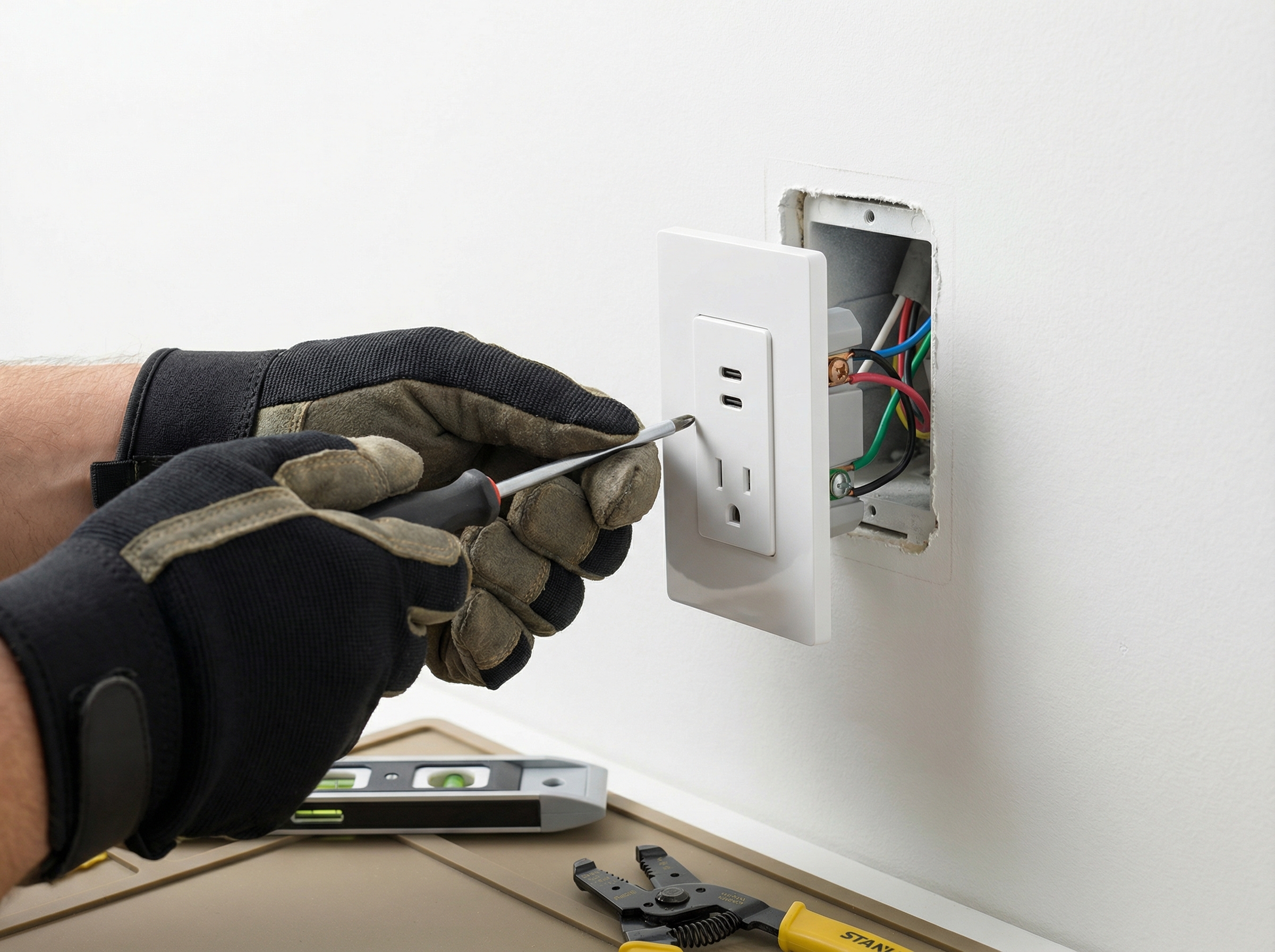
Add grounded three-prong outlets in every room — no more two-prong outlets or adapter plugs
Install GFCI outlets in all wet locations (kitchens, bathrooms, garages, basements) per NEC 2020
Add AFCI breakers on bedroom circuits to prevent arc-fault fires — required by current code
Work completed room by room to minimize disruption — we restore walls and clean up each day
Full panel upgrade included when needed to support the new wiring capacity
Financing available — monthly payment plans make whole-home rewiring accessible
Our Process — start to finish
Comprehensive electrical assessment: we inspect all accessible wiring, outlets, and fixtures throughout your home
Detailed scope and written quote: we document exactly what will be replaced and provide a firm flat-rate price
Permit filing: we pull the required electrical permit from your township
Room-by-room rewiring: we work systematically through your home, running new circuits and installing new outlets
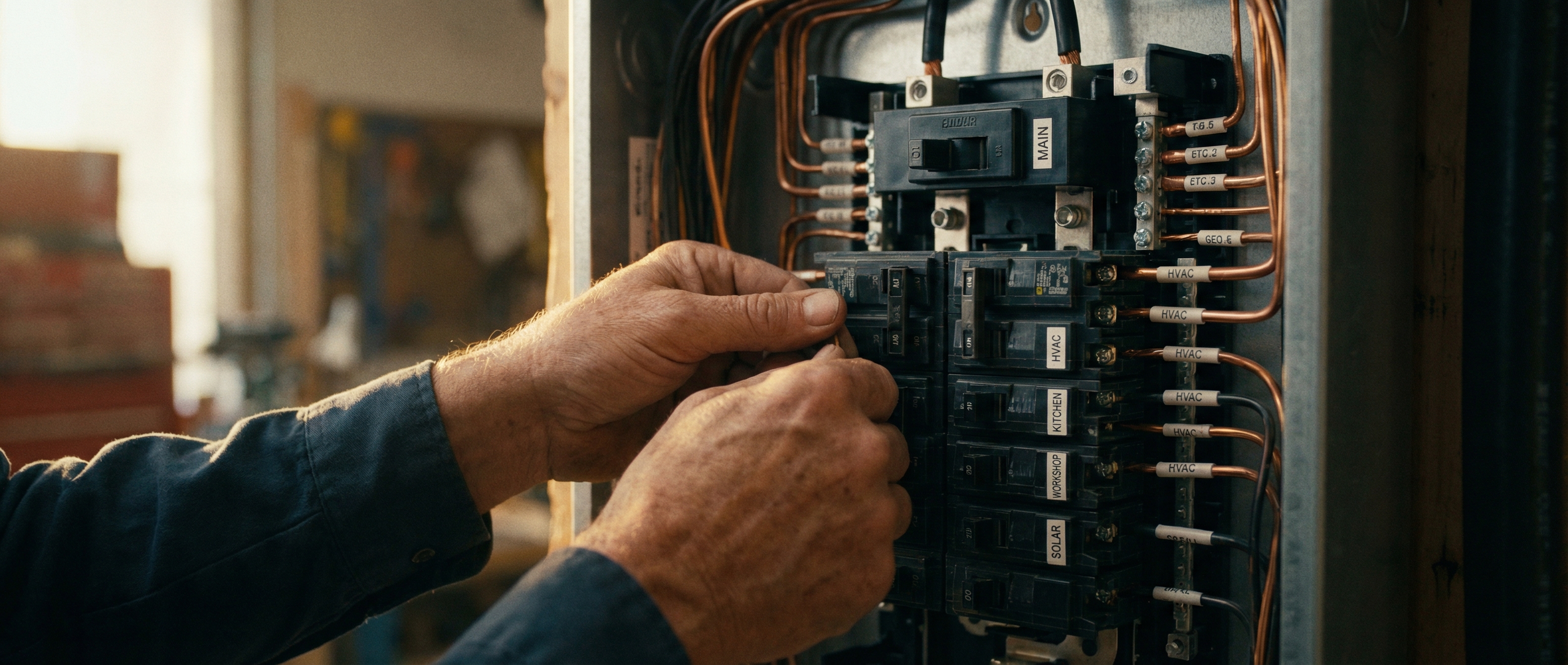
Panel upgrade: if needed, we upgrade your panel to accommodate the new wiring and modern electrical demands
Testing and inspection: every circuit is tested under load, then the township inspector verifies code compliance
Final walkthrough and warranty documentation: we review all completed work and provide your lifetime warranty
Frequently Asked Questions
How do I know if my home needs rewiring?
How long does a whole-home rewiring take?
Will rewiring damage my walls and ceilings?
Is aluminum wiring really dangerous?
Need whole-home rewiring expertise?
Available 24/7 for emergency electrical service. Free estimates on planned projects.